Botox is a purified protein injection, derived from botulinum toxin, that temporarily relaxes targeted muscles to smooth wrinkles or ease jaw tension.

First approved for cosmetic use in 2002, it has since become one of the most widely studied treatments in both aesthetic medicine and dentistry.

At Peachtree Smile Center, we use it not only to soften expression lines but also to calm the overactive jaw muscles behind TMJ pain and chronic teeth grinding.

Dr. Evis Babo - Dental Veneers

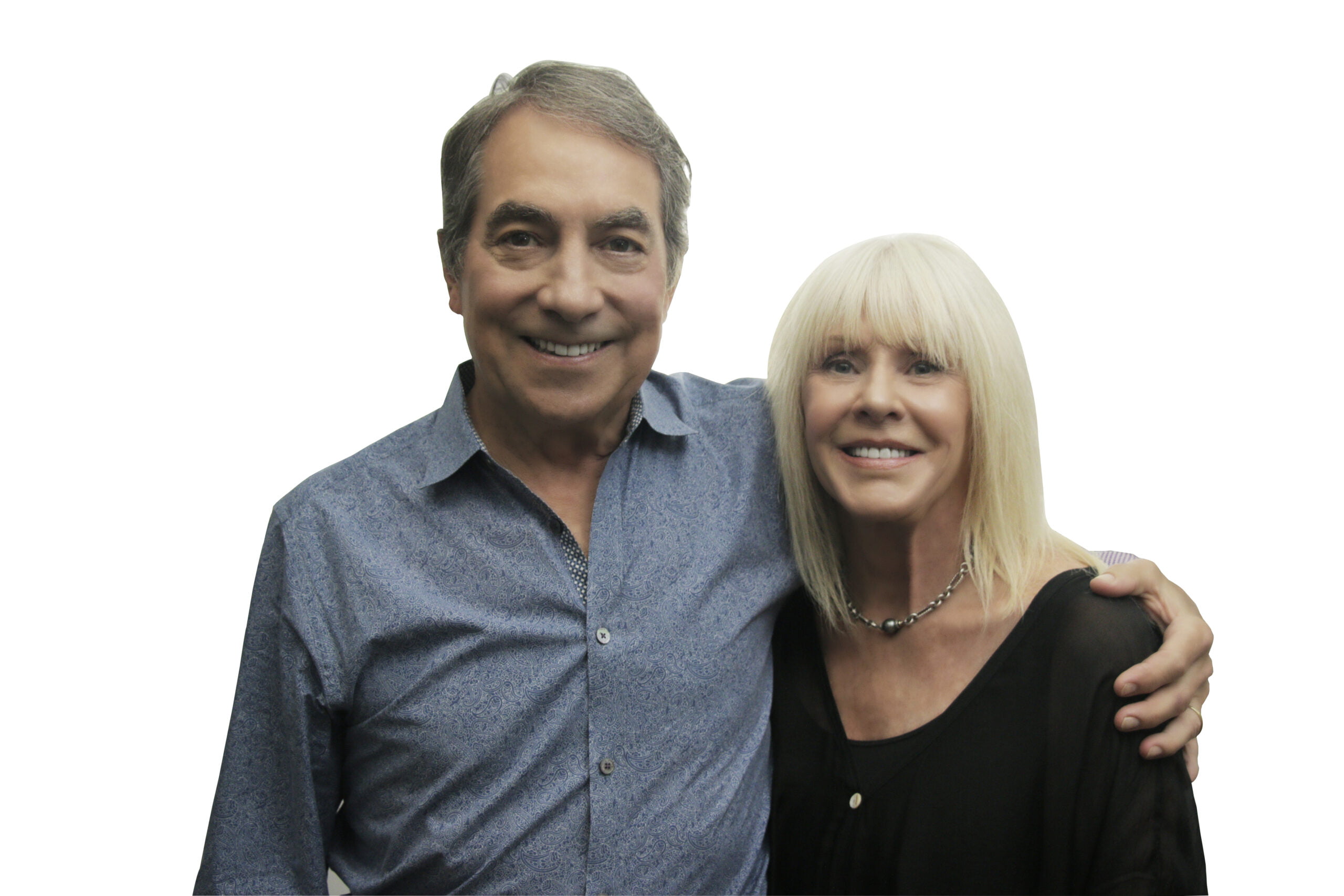
Meet Dr. Evis Babo, DDS

Dr. Evis Babo, DDS, leads Peachtree Smile Center, with a career built on clinical excellence and community service across Atlanta. She has held leadership roles with the Georgia Dental Association, the Northern District of Georgia Dental Society, and the Hinman Dental Society, serving as president of two. She belongs to respected groups including the Academy of Cosmetic Dentistry, the American College of Dentists, and the American Academy of Dental Sleep Medicine.

Beyond the practice, Dr. Babo has provided pro bono dental care through Smile at Kids and multiple Missions of Mercy events, and she remains closely involved with the Shepherd Center, where she has come to know many of the doctors and patients working to overcome traumatic injuries.

Learn About Your Doctor!

Signs You May Need Botox

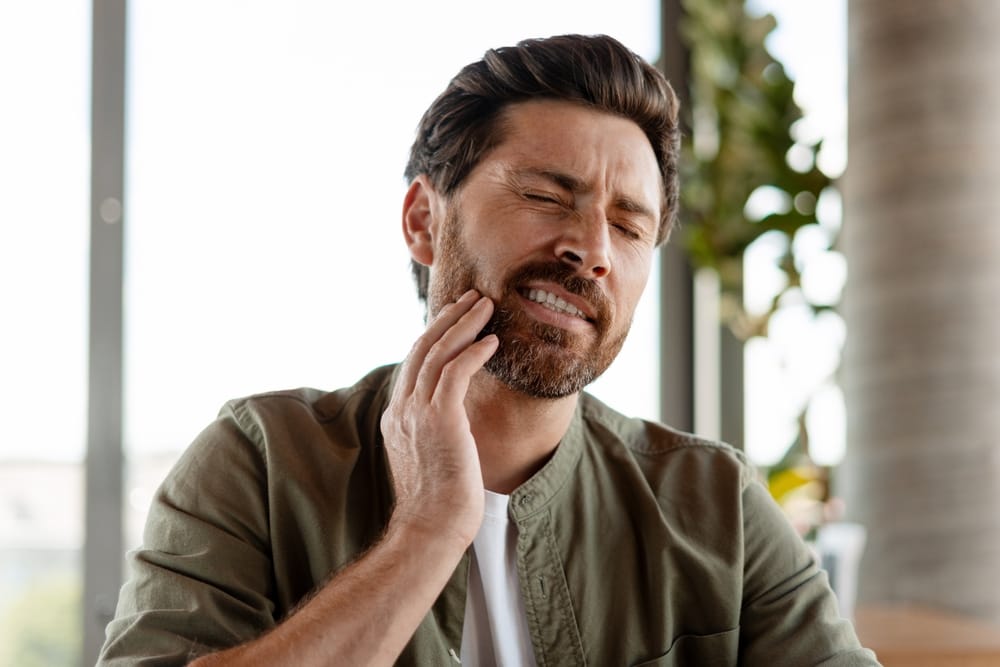
If you’ve noticed fine lines around your forehead or eyes, or wake up with a sore, tight jaw, Botox may be a solution worth exploring. Many patients also deal with frequent headaches, visible teeth wear, or a clicking jaw joint, all common signs of clenching and grinding that build up gradually over time.

Botox relaxes the muscles responsible for these issues, whether they’re causing visible wrinkles or physical strain on your jaw. For dental patients specifically, this means less pressure on your teeth and joint, along with a smoother, more relaxed appearance.

You’re Not Alone in This

Jaw tension and related discomfort are far more common than most people realize. According to the National Institute of Dental and Craniofacial Research, part of the National Institutes of Health, TMD is the second most common musculoskeletal condition causing pain and disability after chronic low back pain, and it’s at least twice as common in women as in men. If you’re recognizing these symptoms in yourself, you’re dealing with something many adults face and manage successfully every day.

When Should You See a Professional?

Recognizing symptoms is the first step, but timing your next move matters too. A peer-reviewed review published in The Saudi Dental Journal and hosted by the National Library of Medicine found that while night guards can reduce TMD symptoms in the short term, there’s no clear evidence they outperform other conservative treatments long term. 

This is why ongoing jaw pain or headaches despite using a guard are often a reasonable prompt to explore other options. This is general guidance, not a diagnosis, so if your symptoms persist or worsen, a simple consultation can help clarify your next steps.

Speak to a Professional!

Prevention & Hygiene Education

Reducing strain on your jaw and protecting your smile starts with daily habits, not just in-office treatment. Managing stress, avoiding excessive gum chewing, and practicing good posture can all reduce the muscle tension that leads to clenching. Routine dental visits can also catch early signs of grinding or joint strain before they become more painful or damaging to your teeth.

Popular Home Remedies and DIY Approaches

Many people try warm compresses, jaw stretches, or over-the-counter night guards before considering a professional treatment like Botox. These options are inexpensive and easy to access, which makes them a common first step for people noticing early jaw tension or mild headaches. While they can offer some short-term comfort, they don’t always address the muscle activity causing the problem in the first place.

Myth Busting

Research comparing these home approaches to targeted treatment paints a clearer picture of their limits. The same peer-reviewed review in The Saudi Dental Journal found that while occlusal splints (night guards) provide positive short-term results for TMD symptoms, their long-term efficacy is comparable to other treatment methods rather than clearly superior. 

This doesn’t mean home remedies are useless. Still, it does explain why many patients eventually look for a treatment that targets the muscle activity directly rather than just protecting against its effects.

From Consultation to Results

Meeting with Dr. Babo to Discuss Your Needs

Your visit starts with a conversation about your goals, whether cosmetic, medical, or both. Dr. Babo examines your facial muscles and jaw function to understand what’s driving your concerns. This step helps determine if Botox is the right fit for you. Questions and honest expectations are welcome here.

Customizing Your Injection Sites and Dosage

Every face and jaw structure is different, so your plan reflects your specific needs. The team maps out injection sites based on muscle activity and desired outcomes. The team calculates dosage with precision to avoid an overdone or unnatural look. This planning stage ensures safe, targeted results.

Your Treatment Appointment

Using a fine needle, Dr. Babo injects small amounts of Botox into the targeted muscles. Dr. Babo performs each injection with careful attention to symmetry and muscle response. Most patients feel only mild discomfort, similar to a quick pinch. The entire process is usually finished within minutes.

What to Do in the Days After Treatment

After treatment, avoid rubbing the area or lying down for a few hours. Staying upright helps the product settle properly into targeted muscles. Light activity is fine, but wait until the next day for strenuous exercise. Our team provides simple written instructions before you leave.

Your Two-Week Progress Check

We schedule a follow-up visit within two weeks to check your results and comfort level. If adjustments are needed, Dr. Babo can address them during this appointment. This step confirms that both cosmetic and functional goals are being met. Ongoing check-ins help plan future sessions effectively.

A cheerful young woman wearing glasses and a cozy yellow sweater smiles brightly during an outdoor selfie, showcasing a healthy, confident smile – Dentist Midtown Atlanta

Cost & Insurance

Botox is one of the more accessible treatments for both cosmetic concerns and jaw-related pain, with costs that vary by treatment area and goals. The figures below reflect general industry averages, not a quote for your specific treatment at Peachtree Smile Center.

Industry Average Pricing

According to 2022 data from the American Society of Plastic Surgeons, the average professional fee for Botox and similar treatments was around $528. However, your exact cost depends on the number of units needed and the area being treated. These numbers are national averages only. If you’d like to learn how Peachtree Smile Center has worked to make Botox more accessible, or want your exact rate, please contact our team directly.

Common Insurance Providers

According to recent rankings from Money, Denali Dental, Delta Dental, Spirit Dental, Ameritas, and Guardian Direct rank among the top dental insurance providers for 2025. This list reflects general industry standing and doesn’t guarantee what Peachtree Smile Center accepts or what your specific plan covers. 

Medical insurance may also help cover Botox when it’s used to treat TMJ disorders, so it’s worth checking your benefits either way. To verify whether we accept your insurance or preferred payment method, please speak with a member of our team.

Speak to a Professional!

Get the Care Your Jaw Has Been Asking For

Living with jaw pain or watching fine lines settle in doesn’t have to be your normal. Dr. Evis Babo brings years of clinical experience and a genuine interest in your comfort to every Botox appointment at Peachtree Smile Center. Call (404) 605-0359 to schedule your visit, or send us a message online, and let’s figure out what works best for you. Follow along on Facebook and Instagram for behind-the-scenes looks at the practice and real updates from our team.

FAQs

Can you exercise after Botox?

Light activity is fine right after treatment, but wait at least 24 hours before intense exercise. Increased blood flow from vigorous workouts can cause the product to shift before it fully settles. Waiting a day helps preserve accurate, even results. Your provider will give you specific guidance based on your treatment area.

Is botox safe?

Yes, Botox is considered safe when a trained provider uses proper technique and dosage. It has been used for decades in both medical and cosmetic applications. Side effects are typically mild, such as slight redness or swelling at the injection site. Discussing your health history beforehand helps ensure the safest possible experience.

How does Botox help dental health?

Botox relaxes overactive jaw muscles that contribute to clenching, grinding, and TMJ discomfort. By easing this muscle tension, it can reduce wear on your teeth and existing dental work. Many patients also experience fewer tension headaches connected to jaw strain. This makes it a useful tool alongside traditional dental treatment.

Can botox cause headaches?

Mild headaches can occur after treatment, though they’re usually temporary and resolve within a day or two. This reaction is uncommon and often linked to the body’s initial response to the injection. Staying hydrated and avoiding strenuous activity right after treatment can help minimize this risk. If headaches persist, contact our office for guidance.

Is Botox covered by insurance?

Coverage depends on whether Botox is used for cosmetic or medical purposes. Treatments for TMJ disorders or related jaw pain may qualify for partial insurance coverage, while purely cosmetic uses typically do not. Our team can help you understand your plan and any required documentation. Check with your provider before your appointment.

How to Clean Your Own Teeth Like a Hygienist: A 10-Step Guide

Looking For Your Forever Dentist?

Call/Text: (404) 605-0359 today to schedule an appointment with Dr. Babo or schedule through our website below!
Request AppointmentHave Questions?